MU OmicsLab is a Research Unit inside the Toxicology Section at the Faculty of Pharmacy, MU–Sofia, lead by Prof. Virginia Tzankova. This Unit combines computational analysis with strong experimental toxicology expertise (in vitro and in vivo), enabling integrated projects, co-mentorship, and realistic validation plans.
Principal investigator (MU OmicsLab)
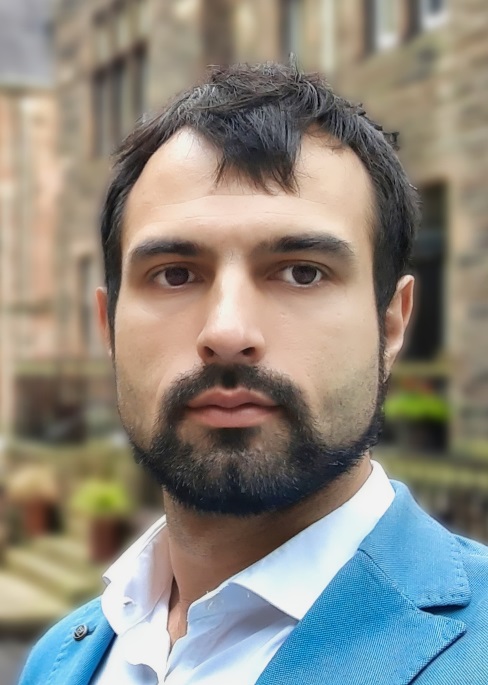
Faculty of Pharmacy, Medical University – Sofia
Research Institute of Innovative Medical Science (InnoMedSci), Division “Artificial Intelligence in Healthcare”
Dr. Yordan Yordanov holds a Master’s degree in Pharmacy and a Ph.D. in Toxicology from the Medical University of Sofia. His early research focused on in vitro toxicology of diverse substances, including drug-delivery nanoparticles and airborne particles/aerosols. He currently teaches Toxicology and Pharmacology to pharmacy students at Medical University – Sofia.
Over time, his interests have evolved toward omics-driven bioinformatics and computational toxicology, aiming to connect in vitro phenotypes with biological mechanisms and predictive modeling. MU OmicsLab therefore prioritizes transcriptomics/RNA-seq interpretation, integrative omics workflows, and reproducible bioinformatics pipelines, complemented by data-driven approaches (including machine learning) for risk assessment and mechanistic reasoning.
Primary focus: omics & bioinformatics
- Integrative analysis: linking molecular readouts with phenotypes (viability, oxidative stress, functional endpoints)
- Transcriptomics / RNA-seq: QC → differential expression → pathway/signature analysis → mechanistic interpretation
- Computational toxicology: mechanism-focused interpretation, evidence structuring, risk-aware reporting
- Data-driven methods: ML-assisted pattern discovery and predictive modeling where appropriate
Secondary focus: image analysis (supportive capability)
- Quantitative microscopy pipelines for experimental toxicology
- Reproducible scoring and documentation
- ML-assisted segmentation/phenotyping when needed to support omics-linked hypotheses
International collaborations (selected)
His research experience includes international collaborative work:
- Bioinformatics-focused collaboration with Dr. Thomas Mohr (Medical University of Vienna, University of Vienna; ScienceConsult - DI Thomas Mohr KG), supporting analysis strategy, reproducible pipelines, and infrastructure enablement
- OpenTox & Edelweiss Connect (Switzerland): collaboration with Barry Hardy and Asmaa Ali (Edelweiss Connect GmbH, Basel) aligned with the OpenTox community and its mission—advancing data-driven toxicology, transparent risk assessment workflows, and interoperable knowledge resources
- Medical University of Graz (Austria): collaboration with a focus on siRNA therapeutics concepts and evaluation strategies
- University of Siena (Italy): in vitro toxicology research and long-standing collaboration links
Research networks (COST Actions)
He participates in COST Actions including:
- CardioPharmaGENET
- STRATAGEM
- Precision-BTC-Network
Within these networks, his interests focus on data-driven strategies for risk assessment, computational decision support, and translational interpretation of pharmacological and toxicological evidence.
Core role in MU OmicsLab: omics/bioinformatics strategy, RNA-seq interpretation, computational toxicology, reproducible workflows, mentorship, and collaboration building.
Internal experts and consultants (Toxicology Section, MU–Sofia)
MU OmicsLab’s work is supported by internal experts in experimental toxicology, nanotoxicology, drug safety, and toxicological education/mentorship. They provide scientific consultation, experimental design feedback, and co-supervision capacity when relevant.
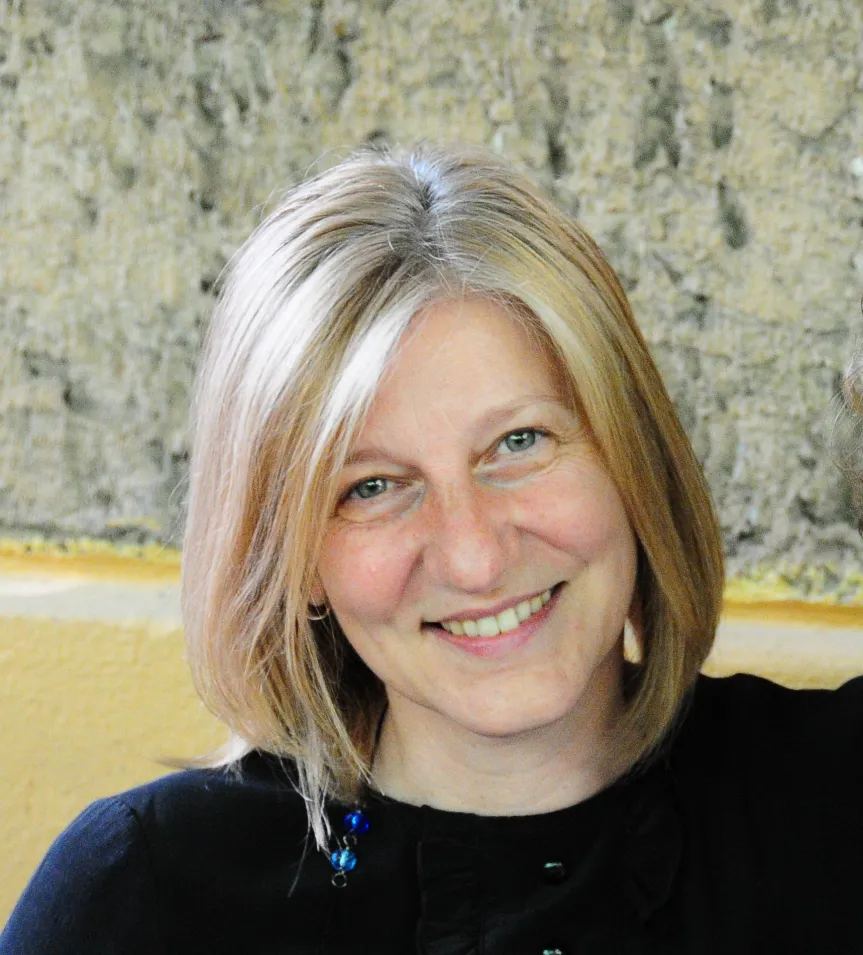
Prof. Virginia Tzankova (Toxicology & Drug Safety; ERT)
Prof. Tzankova graduated from the Faculty of Pharmacy (MU–Sofia) and has worked at the Department of Pharmacology, Pharmacotherapy and Toxicology since 1991. She holds specialties in Clinical Pharmacy and Toxicology and Toxicological Analysis (MU–Sofia), and is a European Registered Toxicologist (ERT) (since 2010).
Expertise: experimental toxicology, nanotoxicology, drug safety, preclinical toxicology; broad academic teaching and supervision (including multiple successfully defended PhD projects in toxicology/nanotoxicology).
Academic and professional profile (selected):
- Extensive teaching across toxicology and pharmacology-related courses (incl. drug safety, drug metabolism, toxicological chemistry, addictions).
- Leadership and service roles, including ethics/quality responsibilities (faculty-level).
- Strong publication and project record, including national and international collaborations (incl. Italy-based partnerships and COST participation).
Prof. Magdalena Kondeva-Burdina (Drug Toxicology, Ecotoxicology; ERT)
Prof. Kondeva-Burdina graduated from the Faculty of Pharmacy (MU–Sofia) and has been part of the Department since 2003. She holds a specialty in Toxicology and Toxicological Analysis (MU–Sofia) and is a European Registered Toxicologist (ERT) (since 2015).
Expertise: experimental toxicology, drug toxicology, ecotoxicology, drug interactions, natural toxins; active engagement in toxicology professional societies and coordination roles.
Academic and professional profile (selected):
- Teaching and supervision across toxicology, toxicological chemistry, drug metabolism, addictions, and postgraduate qualification courses.
- Strong record of publications, citations, and funded projects (including industry-funded projects).

Assoc. Prof. Denitsa Stefanova (In vitro models, nanotoxicology, protective mechanisms)
Assoc. Prof. Stefanova graduated from the Faculty of Pharmacy (MU–Sofia) and participated in international training programs, including exchange and Erasmus experiences (including Siena, Italy). She has been with the Department since 2015 and holds a specialty in Toxicology and Toxicological Analysis.
Expertise and research focus: in vitro toxicology characterization of synthetic/natural compounds and nano-sized delivery systems; in vitro/in vivo modeling of pathological damage (including neurodegeneration, hepatotoxicity, diabetes, etc.); protective effects and detoxification mechanisms; drug metabolism and drug toxicity.
Join as a MSc thesis or PhD student
We welcome:
- Diploma thesis students (bioinformatics, RNA-seq, image analysis)
- PhD candidates (computational toxicology, omics integration, reproducible pipelines)
- Co-supervision models with external labs are possible.
If you’re looking for a topic, write a short message about your background and interests.
→ contact us · свържете се с нас